
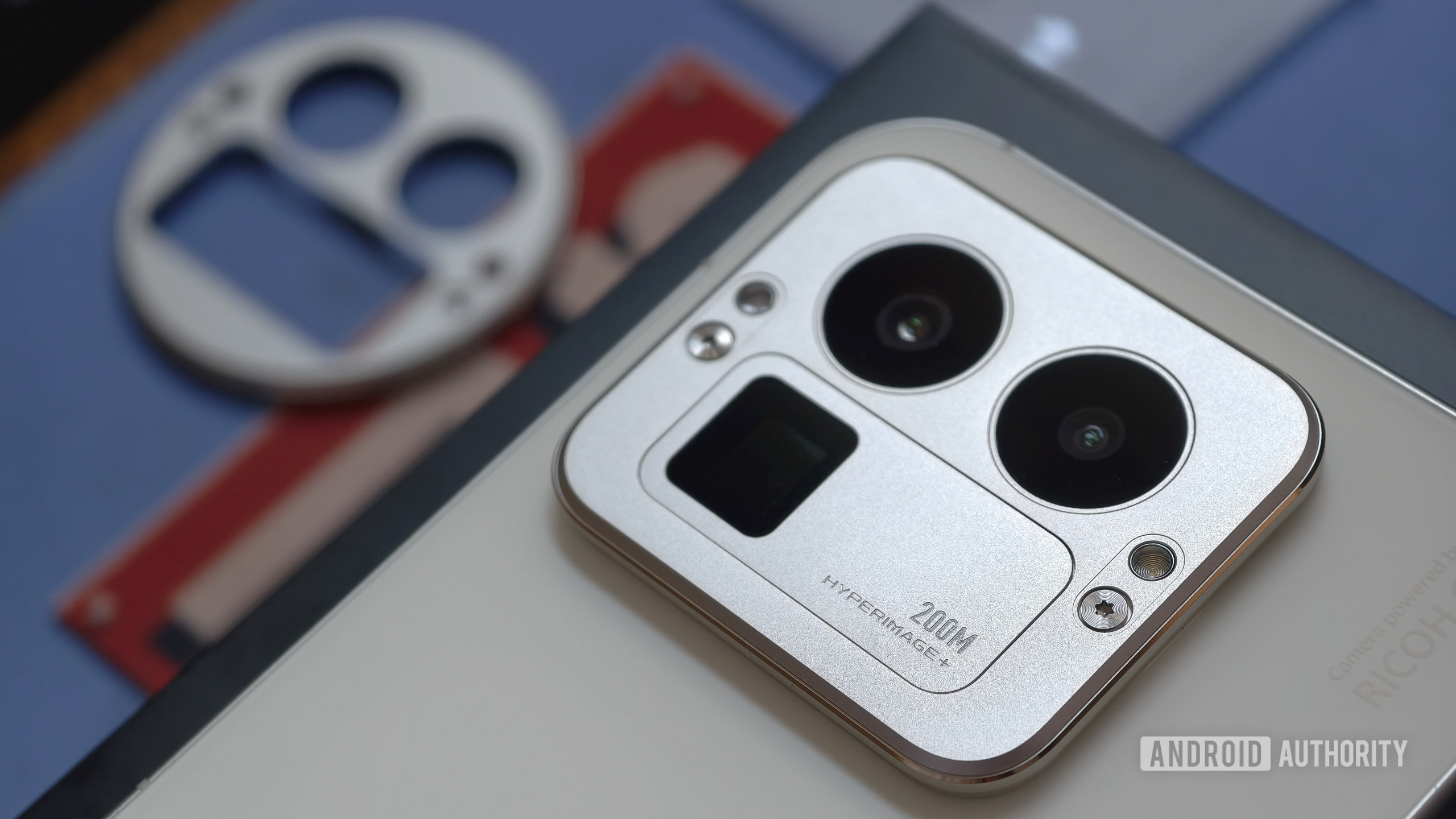
Whether you’re snapping a family portrait or capturing the city at night, today’s best smartphone cameras are undoubtedly brilliant. Computational photography, multi-lens systems, and ever-larger sensors have pushed image quality to levels that would’ve seemed impossible at the start of the decade. But while most of the attention goes to new software tricks and megapixel counts, some of the most meaningful improvements are happening deeper in the camera stack, helping smaller mobile sensors catch up with larger mirrorless cameras.
If you’ve been reading through camera spec sheets lately, you might have spotted the term LOFIC appear next to some of the industry’s latest high-end camera sensors. Namely, on the Xiaomi 17 Ultra and HUAWEI Pura 80 Ultra, two powerhouse mobile camera setups. These phones already boast serious camera credentials, but LOFIC isn’t about flashy features or AI processing. Instead, it’s a fundamental change in how sensors handle light.